
The Future of Photography Is Storytelling, Not Just Pretty Photos
For years, the photography industry revolved around one core pursuit: perfection.
Sharpness.
Lighting ratios.
Perfect exposure.
Flawless posing.
Photographers spent endless hours refining technical skill because the belief was simple, if your work looked better than everyone else’s, clients would choose you. But something subtle has been shifting in the last decade. The photographers who are building the most devoted audiences, attracting the most emotionally invested clients, and creating the most meaningful work are not necessarily the ones with the most technically perfect portfolios.
They are the ones telling the most compelling stories.
Modern photography is no longer just about beautiful images. It is about emotion, narrative, memory, and meaning. And the photographers who understand this shift are shaping the future of the industry.
The Evolution of What Clients Value
Technology has dramatically changed the landscape of photography. Cameras are more advanced than ever. Editing software is incredibly powerful. Artificial intelligence can now cull and edit your weddings with the click of a button. In many ways, technical perfection has become easier to achieve.
But that technological advancement has created an unexpected side effect: hot take, technical skill is no longer the primary differentiator.
Clients today are surrounded by beautiful imagery everywhere they look. Instagram, Pinterest, brand campaigns, advertisements, and digital media have created a world where visually polished imagery is not hard to achieve anymore- again, another hot take. Because of that, beauty alone no longer creates emotional impact.
What people crave now is connection.
They want images that feel real. Images that transport them back into a moment. Images that carry meaning beyond the surface. The future of photography belongs to those who can create that experience.
Why Storytelling Resonates So Deeply
Human beings are wired for story. Stories help us process the world. They help us understand emotions, relationships, and identity. They allow us to see ourselves in other people’s experiences.
Photography, at its best, is storytelling in its purest form. A single frame can capture:
- A nervous breath before a wedding ceremony.
- A parent watching their child from across the room.
- A quiet moment between partners when no one else is looking.
These moments carry emotional weight because they reveal something true about the human experience. When photographers begin to think like storytellers instead of image-makers, their work shifts dramatically.
Instead of asking:
- “Is this photo perfect?”
- They begin asking:
- “What does this moment mean?”
And that question changes everything.
Moving Beyond Posed Perfection
Traditional photography education often focused heavily on control. Control the lighting. Control the pose. Control the environment.
While these skills are still valuable, modern storytelling photography often thrives in moments where control is loosened. The most powerful images are often the ones that feel slightly imperfect but emotionally authentic.
A laugh that interrupts a posed portrait.
A child running across a field.
A quiet glance exchanged when no one realizes the camera is watching.
These are the moments that make people feel something. And in a world filled with polished content, feeling something is what makes an image unforgettable.
The Photographer as Observer
Great storytelling photographers develop a different mindset when they approach their work. Instead of directing every moment, they begin observing more deeply. They watch how people interact.
They notice subtle gestures.
They anticipate emotional shifts.
They pay attention to the small moments unfolding between the big ones.
This level of observation allows photographers to capture images that feel intimate and genuine. It also creates something else that clients value deeply: authenticity. When people see themselves represented honestly in images, those photographs become far more meaningful than any technically flawless portrait.
How Photographers Can Evolve
Shifting toward storytelling does not mean abandoning technical skill. It means expanding the creative lens through which photographers see their work. Some of the most effective ways photographers can evolve include:
Slowing Down During Sessions
Instead of rushing through poses, allow moments to unfold naturally. The pauses between structured shots often hold the most powerful imagery.
Asking Better Questions
Storytelling photographers often begin sessions by learning about the people they are photographing. What matters to them? What makes them laugh? What kind of memories do they want to preserve?
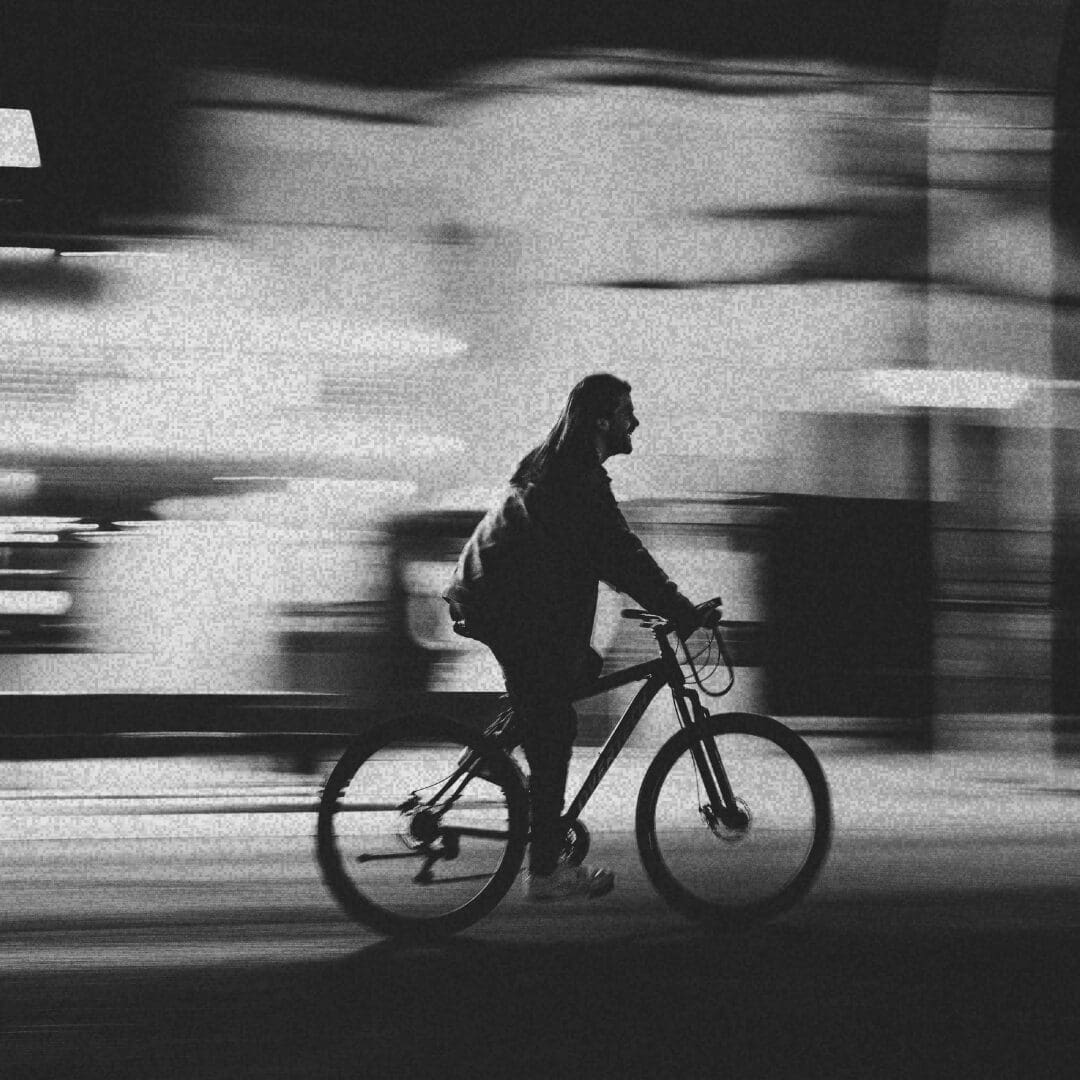
These insights create deeper storytelling opportunities. Some of the most emotionally powerful images include motion blur, imperfect composition, or spontaneous movement. The goal shifts from perfection to emotional truth.
Why This Matters for the Industry Today
As photography continues evolving, the most successful photographers will not simply be technicians. They will be translators of human experience. They will capture the feelings behind the moments. They will document the stories people want to remember decades from now.
In a world saturated with imagery, meaning becomes the rarest and most valuable thing a photograph can offer. The future of photography is not defined by better cameras or more advanced editing tools (although we love those brands that support us).
It is defined by deeper storytelling. The photographers who will shape the next generation of the industry are those who understand that the most powerful images are not just beautiful. They are meaningful. And when a photograph carries meaning, it becomes something far more valuable than a picture.
It becomes a story worth remembering.
4/06/2026
Leave a Reply


Be the first to comment